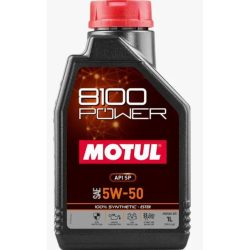
 Motul 8100 X-Power SAE 5W-50 – 100% Synthetic High-Performance Engine Oil (1L)
72.00

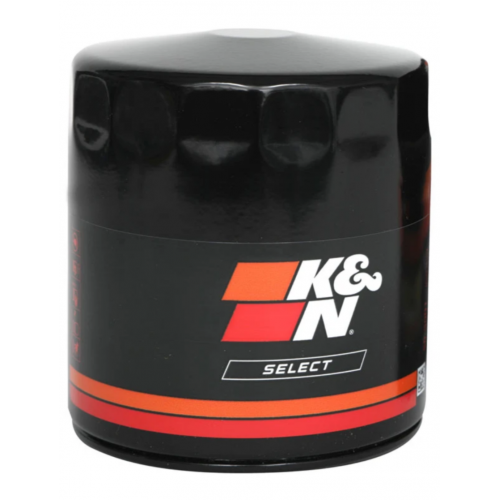
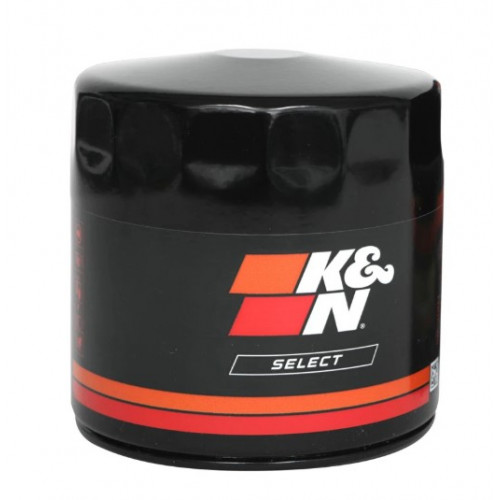
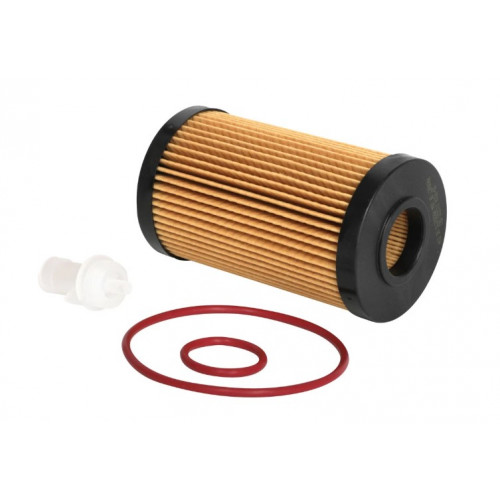 Motul 8100 X-Power SAE 5W-50 – 100% Synthetic High-Performance Engine Oil (1L)
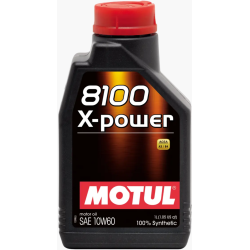 Motul 8100 X-Power SAE 10W-60 – 100% Synthetic High-Performance Engine Oil (1L)
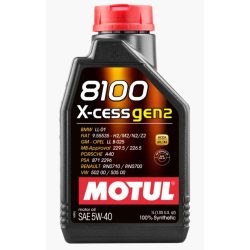 MOTUL 8100 X-CESS GEN2 5W-40 Engine Oil – 1L
 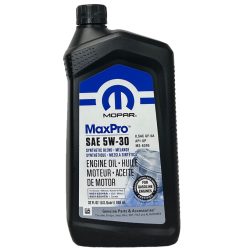 Mopar Synthetic Blend 5W-30 SP Engine Oil - 1L
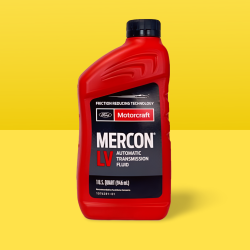 Motorcraft MERCON® LV Transmission Oil - 1L
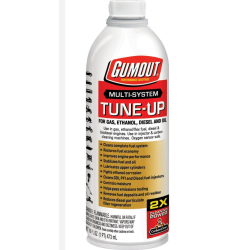 Gumout Multi‑System Tune‑Up (473 ml)
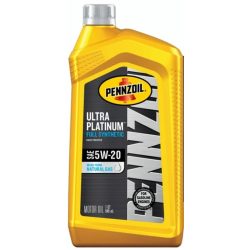 Pennzoil Ultra Platinum Full Synthetic Motor Oil 5W-20 – 1 QT (946 ml)
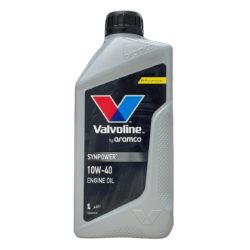 Valvoline SynPower Full Synthetic Motor Oil 10W-40 – 1L